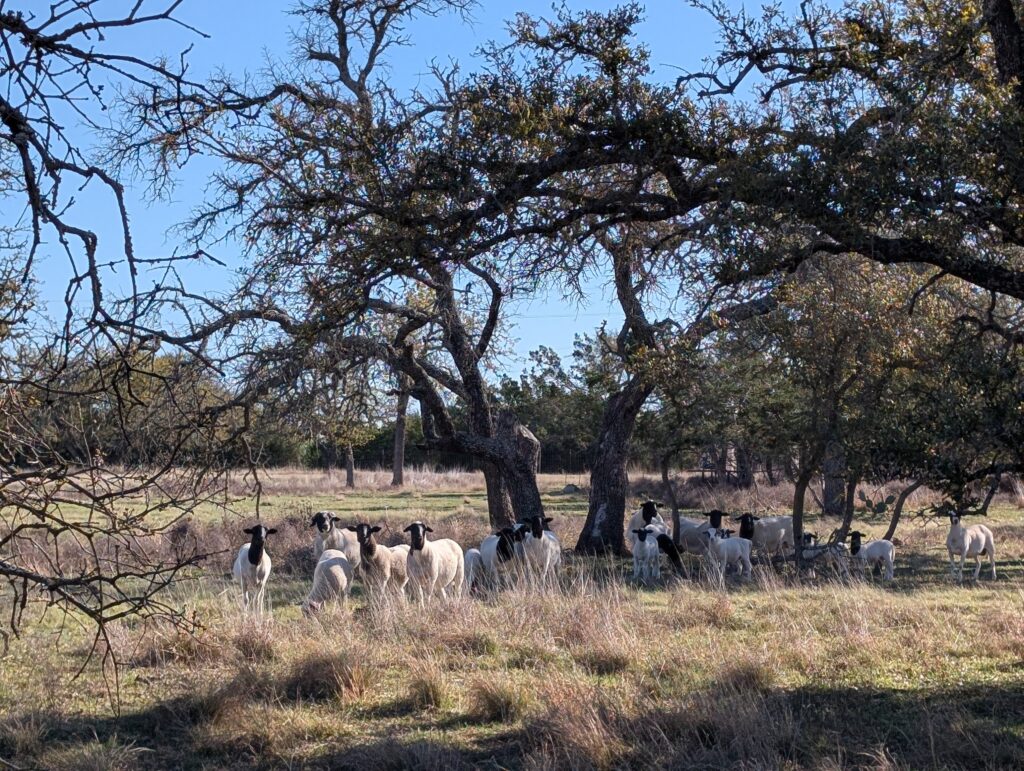
Precision livestock farming (PLF) is the practice of using AI to manage the conditions of farmed animals with a level of granularity that would be impossible for farmers to achieve manually. PLF systems typically consist of sensors attached to or implanted in animals (ex. accelerometers, RFID boluses) or placed in the barn (ex. cameras, microphones, thermometers) which generate vast amounts of data about the animals and their environments. Machine learning methods then use this data to make predictions about what the animals are experiencing. The standards, regulations, and expectations we set around the use of this technology will determine whether it proves to be a net positive or net negative for the animals involved.
The Risks
Welfare standards have to be defined to be measurable and actionable – and who defines them matters enormously. If corporations control the definitions, they’re likely to set them in ways that serve their interests first. Big ag companies might naturally select for monitoring indicators that affect profit, such as body weight, inter-animal aggression, or symptoms of communicable diseases, while overlooking factors that matter most to the animals, such as expression of natural behaviors. The lack of uptake of the most meaningful animal welfare indicators is one of the key threats PLF currently poses. As production ramps up, driven by insights from this newly gathered data, welfare indicators could be knowingly – or unknowingly – deprioritized, particularly if corporations have the keys to the data and only expose select insights to farmers and consumers.
This selective monitoring could distort consumer purchasing decisions as well. If the indicators measured are marketed as “welfare indicators”, this could instill false trust. Consumers would be unaware of the selectivity of the welfare monitoring and believe they are purchasing ethically sourced products. This could then impact the business of smaller farms unable to invest in PLF technologies. Factory farms are widely understood to have poor animal welfare, but if they can check the boxes for a new PLF-driven “welfare verified” label, consumers might divert their spending away from smaller farms (where welfare conditions are less dire) toward factory-farmed products that merely appear better.
The Opportunities
More optimistically, PLF could be developed in a way that genuinely benefits the animals it monitors. Rather than waiting for the industry to develop the solutions advocates want to see, welfare-oriented engineers could actively design and build the welfare tech they want deployed on farms – with welfare experts, not corporations, defining the metrics. With an open-source design, the public would have full access to the welfare standards and measurement protocols. If this open model includes the data as well, farmers can be held accountable by welfare groups and the general public. There is even precedent already set in the tech world for this kind of liability. When companies learn of security breaches in their software, they are legally obligated to protect their customers. Advocates can push for a similar liability to apply to farmers when welfare breaches are detected. All of this depends on farmers adopting PLF technology though, so PLF tools need to benefit the farmer in order to benefit the animals. They need to be financially accessible and provide actionable insights within farmers’ capacity to act.
Should animal advocates prioritize working on PLF?
In the optimistic scenario posed, animal welfare experts are the ones developing and defining PLF. It seems counterintuitive that those working to dismantle factory farming would actively develop tools for it. On its own, the answer is no, advocates should explicitly not prioritize this. The question, however, is rooted in an old, culturally-entrenched system that is well-funded and well-lobbied by groups that do not prioritize animal welfare. So, when advocates dismiss industry initiatives as humane-washing without engaging, they miss opportunities to shape corporate metrics, amplify impact, and create meaningful change for animals. PLF is already underway, whether advocates like it or not, and the trajectory it takes depends on who helps shape it. Therefore, advocates have a responsibility to ensure PLF supports rather than further harms animals, and they should consider this among other farmed animal welfare initiatives.
Leave a Reply